Human Capital & Happiness Economy

Pioneering the Science of National Happiness

The world's first ministerial portfolio dedicated to citizen happiness — transforming wellbeing from a philosophical aspiration into a measurable, achievable governance outcome.

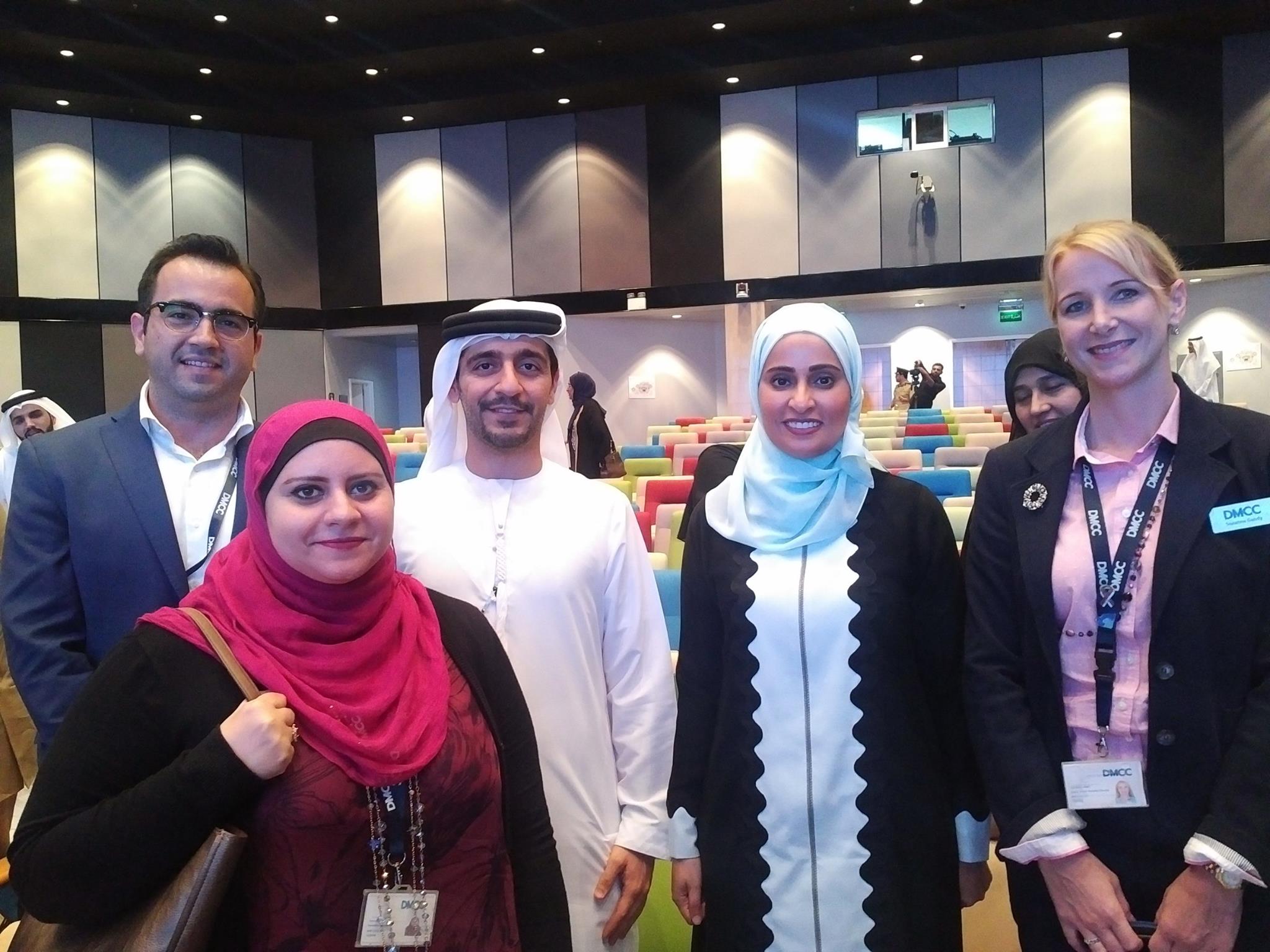
H.E. Ohood Al Roumi — Minister of Happiness

The World's First Minister of Happiness

When the UAE appointed H.E. Ohood Al Roumi as Minister of State for Happiness in 2016, it made global headlines and challenged conventional notions of what government can — and should — be responsible for. This was not a ceremonial title; it was a substantive ministerial portfolio with a clear mandate: to embed happiness and wellbeing as measurable outcomes in every government program, policy, and service.

The appointment reflected the UAE leadership's recognition that economic growth alone is an insufficient measure of national success — that truly advanced nations must also invest in the life satisfaction, mental health, social cohesion, and personal fulfilment of their citizens. H.E. Al Roumi was tasked with creating the institutional infrastructure to measure, track, and systematically improve national happiness.

Her approach was characteristically rigorous: rather than treating happiness as a vague aspiration, she established a scientific framework drawing on behavioural economics, positive psychology, and public policy research to create evidence-based interventions that demonstrably improve citizen wellbeing.

Wellbeing as Government Policy

The comprehensive policy architecture that transforms happiness from an ideal into a measurable governance outcome.

National Happiness Index
A comprehensive measurement framework tracking citizen wellbeing across 12 dimensions — including life satisfaction, work-life balance, social connections, health, financial security, and sense of purpose. The Index is measured quarterly through national surveys and integrated into the government's performance dashboard, directly linking ministerial accountability to citizen happiness outcomes.
Happiness Meters
Innovative real-time feedback devices deployed across government service centres, allowing citizens to rate their experience at the point of interaction. Data from over 50,000 daily ratings feeds directly into service improvement algorithms — creating a continuous feedback loop that enables rapid response to declining satisfaction in any service area.
Chief Happiness Officers
A pioneering program that established dedicated Chief Happiness and Positivity Officers in every federal government entity. These officers are responsible for implementing workplace wellbeing programs, monitoring employee satisfaction, designing positive work environments, and ensuring that the internal culture of government institutions reflects the citizen-centric values espoused externally.

Happiness as Policy: Real-World Applications

How the happiness framework translates into concrete policy interventions with measurable impact.

Case Study 1
Government Service Experience Transformation
The happiness framework drove a complete redesign of how citizens experience government services. Using behavioural science principles, H.E. Al Roumi's team redesigned service centres to reduce perceived wait times, incorporated empathy training for government staff, and introduced "moment of truth" design — ensuring that the last interaction in any government service is unambiguously positive.
Result: Citizen satisfaction with government services increased from 78% to 94% within three years. Complaint volumes dropped by 62%. Employee engagement in service delivery roles increased by 45%.
Case Study 2
Community Happiness Programs
Moving beyond government services, the happiness portfolio extended into community-level interventions — creating neighbourhood happiness councils, community gathering spaces designed according to wellbeing architecture principles, and social connection programs targeting isolated populations including elderly residents and new immigrants.
Result: Loneliness indicators decreased by 28% in pilot communities. Neighbourhood social cohesion scores increased by 35%. Volunteer participation in community programs increased by 60%.
Case Study 3
Workplace Wellbeing Revolution
The government human resources transformation extended beyond efficiency into employee happiness — introducing flexible work arrangements, mental health support services, purpose-aligned role design, and recognition programs that celebrate both performance and positive workplace culture.
Result: Government employee attrition decreased by 40%. Productivity per employee increased by 22%. Sick leave utilization decreased by 18%. The UAE government became the #1 employer of choice for Emirati graduates.
Case Study 4
Data-Driven Happiness Policy
Perhaps the most innovative aspect of the happiness portfolio is its use of big data and AI to identify happiness determinants at scale. By analyzing patterns across millions of service interactions, social media sentiment, and survey responses, the ministry can identify emerging wellbeing challenges and deploy targeted interventions.
Result: Predictive models now forecast community wellbeing trends with 85% accuracy, enabling proactive intervention. Response time to identified wellbeing issues decreased from months to days.
Federal Authority for Government Human Resources

Government HR Transformation

As Chairperson of the Federal Authority for Government Human Resources (FAHR), H.E. Al Roumi has overseen a comprehensive transformation of how the UAE government recruits, develops, deploys, and retains talent. This transformation recognizes that the government of the future requires a fundamentally different workforce — one that combines technical expertise with creative problem-solving, data literacy with empathetic service delivery, and institutional knowledge with innovation mindset.

Key initiatives include the introduction of competency-based hiring frameworks that prioritize skills over credentials, the establishment of continuous learning platforms providing personalized upskilling pathways for all 90,000+ federal employees, and the creation of talent mobility programs that enable government employees to gain cross-ministerial experience.

The FAHR transformation has positioned the UAE government as a model for public sector human capital management — with delegation visits from over 25 countries studying its methodologies for potential adaptation.

0
Federal Employees
0
Satisfaction Rate
0
Attrition Reduction
0
Productivity Gain